Cardiovascular Moonshot
Regeneration of the human heart
-
Cardiovascular disease is a collective name for various diseases related to the heart and blood vessels. Cardiovascular diseases are the leading cause of death worldwide and responsible for 17.9 million deaths every year. Within the Netherlands there is daily mortality of 103 people, making cardiovascular diseases the second most prevalent cause of death in 2018i. In Flanders, the situation is similar, and cardiovascular disease is also the second cause of death, with 28% in 2016ii.
What does it mean for patients?
How the lives of people with chronic cardiovascular diseases are affected depends on the specific disease and its severity. For example, patients with heart failure can experience a decrease in endurance. Physical activities such as cycling to work, walking up the stairs or even getting dressed can lead to tiredness, shortness of breath and swollen legs and/or ankles. This can restrict the quality of life and activities of the person immensely and requires major life adjustments.
What do we do in the RegMed XB Moonshot?
The Cardiovascular Moonshot of RegMed XB is a comprehensive program based on the concept that we should be able to create a cardiac regenerative therapy that suits best the individual patient. One approach is to restore the heart function outside of the body (ex vivo). The advantage of this method is that we can solely treat the heart and assess cardiac function during treatment while leaving all other tissues in the body as they are. Initially, this could be an option to restore donor hearts for transplant recipients. After restoring the heart, it will be re-implanted.
With this approach, we will be able to explore gene therapy as a cure for hereditary diseases as well. The researchers aim to stimulate the body’s own regenerative capacity including, for example, improving the contractility and perfusion of the heart muscle, repair, or replacement of coronary arteries and heart valves. Important is that the researchers will learn how to treat the heart better along the way and eventually also deduce how to treat the heart inside a patient and even prevent (certain) cardiovascular diseases.
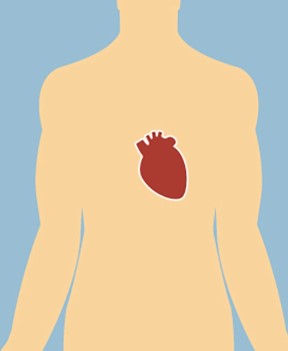
-
Status
This is the youngest of the Moonshots. So far, it has finished a hypothermic pilot which has increased the experience of the researchers with perfusion models. Currently this model if being further developed for optimal heart preservation. Furthermore, histopathological analysis of heart valves is ongoing. This will help in understanding how the heart valves will remodel under the influence of the altered flow of liquids in the ex vivo heart platform.
i De Boer AR, van Dis I, Visseren FLJ, Vaartjes I, Bots ML. Hart- en vaatziekten in Nederland 2019, cijfers over incidentie, prevalentie, ziekte en sterfte. Den Haag: Hartstichting, 2019
ii Statbel.fgov.be(2019). https://statbel.fgov.be/nl/themas/bevolking/sterfte-en-levensverwachting/doodsoorzaken. [Accessed 17 Feb. 2020].
-
𝘊𝘶𝘳𝘳𝘦𝘯𝘵𝘭𝘺, 𝘵𝘳𝘦𝘢𝘵𝘮𝘦𝘯𝘵 𝘰𝘱𝘵𝘪𝘰𝘯𝘴 𝘧𝘰𝘳 𝘱𝘢𝘵𝘪𝘦𝘯𝘵𝘴 𝘸𝘪𝘵𝘩 𝘤𝘩𝘳𝘰𝘯𝘪𝘤 𝘩𝘦𝘢𝘳𝘵 𝘧𝘢𝘪𝘭𝘶𝘳𝘦 𝘢𝘳𝘦 𝘷𝘦𝘳𝘺 𝘭𝘪𝘮𝘪𝘵𝘦𝘥. 𝘖𝘶𝘳 𝘳𝘦𝘴𝘦𝘢𝘳𝘤𝘩 𝘧𝘰𝘤𝘶𝘴𝘦𝘴 𝘰𝘯 𝘥𝘦𝘷𝘦𝘭𝘰𝘱𝘪𝘯𝘨 𝘳𝘦𝘨𝘦𝘯𝘦𝘳𝘢𝘵𝘪𝘷𝘦 𝘴𝘵𝘳𝘢𝘵𝘦𝘨𝘪𝘦𝘴 𝘵𝘩𝘢𝘵 𝘨𝘰 𝘣𝘦𝘺𝘰𝘯𝘥 𝘴𝘺𝘮𝘱𝘵𝘰𝘮 𝘮𝘢𝘯𝘢𝘨𝘦𝘮𝘦𝘯𝘵, 𝘸𝘪𝘵𝘩 𝘵𝘩𝘦 𝘨𝘰𝘢𝘭 𝘰𝘧 𝘳𝘦𝘴𝘵𝘰𝘳𝘪𝘯𝘨 𝘩𝘦𝘢𝘳𝘵 𝘧𝘶𝘯𝘤𝘵𝘪𝘰𝘯 𝘢𝘯𝘥 𝘶𝘭𝘵𝘪𝘮𝘢𝘵𝘦𝘭𝘺 𝘦𝘯𝘢𝘣𝘭𝘪𝘯𝘨 𝘵𝘩𝘦 𝘩𝘦𝘢𝘳𝘵 𝘵𝘰 𝘩𝘦𝘢𝘭 𝘪𝘵𝘴𝘦𝘭𝘧.
Prof. dr. Joost Sluijter, UMC Utrecht, RegMed XB Cardiovascular Moonshot

𝘛𝘰 𝘦𝘧𝘧𝘦𝘤𝘵𝘪𝘷𝘦𝘭𝘺 𝘵𝘳𝘦𝘢𝘵 𝘤𝘢𝘳𝘥𝘪𝘰𝘷𝘢𝘴𝘤𝘶𝘭𝘢𝘳 𝘥𝘪𝘴𝘦𝘢𝘴𝘦, 𝘸𝘦 𝘯𝘦𝘦𝘥 𝘵𝘰 𝘮𝘰𝘷𝘦 𝘣𝘦𝘺𝘰𝘯𝘥 𝘮𝘢𝘯𝘢𝘨𝘪𝘯𝘨 𝘴𝘺𝘮𝘱𝘵𝘰𝘮𝘴 𝘢𝘯𝘥 𝘧𝘰𝘤𝘶𝘴 𝘰𝘯 𝘳𝘦𝘱𝘢𝘪𝘳𝘪𝘯𝘨 𝘢𝘯𝘥 𝘳𝘦𝘣𝘶𝘪𝘭𝘥𝘪𝘯𝘨 𝘥𝘢𝘮𝘢𝘨𝘦𝘥 𝘷𝘦𝘴𝘴𝘦𝘭𝘴. 𝘖𝘶𝘳 𝘳𝘦𝘴𝘦𝘢𝘳𝘤𝘩 𝘢𝘪𝘮𝘴 𝘵𝘰 𝘵𝘳𝘢𝘯𝘴𝘭𝘢𝘵𝘦 𝘧𝘶𝘯𝘥𝘢𝘮𝘦𝘯𝘵𝘢𝘭 𝘪𝘯𝘴𝘪𝘨𝘩𝘵𝘴 𝘪𝘯𝘵𝘰 𝘪𝘯𝘯𝘰𝘷𝘢𝘵𝘪𝘷𝘦 𝘵𝘩𝘦𝘳𝘢𝘱𝘪𝘦𝘴 𝘵𝘩𝘢𝘵 𝘤𝘢𝘯 𝘳𝘦𝘴𝘵𝘰𝘳𝘦 𝘷𝘢𝘴𝘤𝘶𝘭𝘢𝘳 𝘧𝘶𝘯𝘤𝘵𝘪𝘰𝘯.
Prof. dr. Paul Quax, LUMC, RegMed XB Cardiovascular Moonshot

𝘛𝘩𝘦 𝘩𝘦𝘢𝘳𝘵 𝘩𝘢𝘴 𝘰𝘯𝘭𝘺 𝘢 𝘭𝘪𝘮𝘪𝘵𝘦𝘥 𝘤𝘢𝘱𝘢𝘤𝘪𝘵𝘺 𝘵𝘰 𝘳𝘦𝘱𝘢𝘪𝘳 𝘪𝘵𝘴𝘦𝘭𝘧 𝘢𝘧𝘵𝘦𝘳 𝘪𝘯𝘫𝘶𝘳𝘺. 𝘖𝘶𝘳 𝘳𝘦𝘴𝘦𝘢𝘳𝘤𝘩 𝘧𝘰𝘤𝘶𝘴𝘦𝘴 𝘰𝘯 𝘶𝘯𝘥𝘦𝘳𝘴𝘵𝘢𝘯𝘥𝘪𝘯𝘨 𝘩𝘰𝘸 𝘤𝘢𝘳𝘥𝘪𝘢𝘤 𝘤𝘦𝘭𝘭𝘴 𝘤𝘰𝘮𝘮𝘶𝘯𝘪𝘤𝘢𝘵𝘦 𝘢𝘯𝘥 𝘩𝘰𝘸 𝘸𝘦 𝘤𝘢𝘯 𝘴𝘵𝘪𝘮𝘶𝘭𝘢𝘵𝘦 𝘵𝘩𝘦𝘴𝘦 𝘱𝘳𝘰𝘤𝘦𝘴𝘴𝘦𝘴 𝘵𝘰 𝘱𝘳𝘰𝘮𝘰𝘵𝘦 𝘳𝘦𝘨𝘦𝘯𝘦𝘳𝘢𝘵𝘪𝘰𝘯 𝘶𝘴𝘪𝘯𝘨 𝘵𝘩𝘦 𝘣𝘰𝘥𝘺’𝘴 𝘰𝘸𝘯 𝘮𝘦𝘤𝘩𝘢𝘯𝘪𝘴𝘮𝘴.
Prof. dr. Marie-José Goumans, LUMC, RegMed XB Cardiovascular Moonshot